
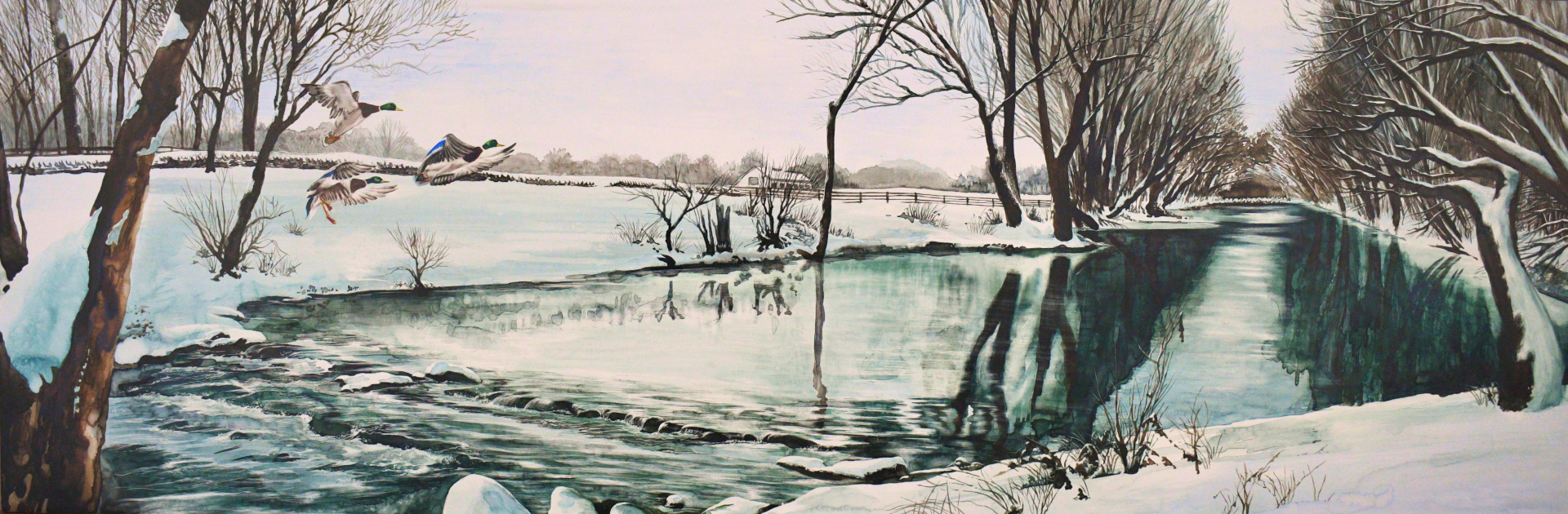
Art that Honors the Hunt
Where Classically Trained Artistry Meets the American Sporting Tradition
In an age of mass production and digital reproduction, Lindsey Kiser practices an art form that refuses to hurry. Working in direct engraving on clay board—a technique requiring one hour per square inch—she creates sporting art with the deliberation of a 19th-century master printmaker and the authority of someone who has spent decades afield.
Kiser’s path to becoming a wildlife artist was circuitous but deliberate. After studying art history and drawing at Oxford University’s Ruskin School of Drawing & Fine Art, she practiced patent law for 15 years, bringing the same precision to intellectual property that she now applies to rendering individual feathers on a ruffed grouse or the delicate architecture of native flora. Her transition to full-time artist in 2022 wasn’t an abandonment of rigor; it was a return to it.
Her scratchboard technique is, in essence, direct engraving: carving shallow, intricate dots and lines into ink-coated clay to reveal white beneath. Unlike drawing, which adds marks to a surface, or painting, which layers color, engraving is subtractive, permanent, unforgiving, demanding absolute commitment to each stroke. The result carries the gravitas and timelessness of antique sporting prints, work that belongs in the libraries and studies of those who understand the difference between decoration and craftsmanship.
Since her first museum solo exhibition in 2019, Reflecting Nature, a meditation on found natural objects arranged within crystal vessels, Kiser’s work has evolved to honor the sporting traditions she lives. Her recent series Art that Honors the Hunt, exhibited at the Kentucky Horse Park in March 2026, celebrates upland game birds with the reverence of someone who understands both their beauty and their pursuit. Her Wondrous Pollinators series, shown at the Headley-Whitney Museum of Art in 2025, demonstrates the same scientific precision applied to hummingbirds, native bees, and the blooms they visit.
This is not fast art to appease the masses. Each piece is made slowly with intention, meticulous attention to detail, and archival materials sealed with varnish. For sportsmen who value heritage and timeless classics, Kiser’s engravings represent an investment in beauty, authenticity, and integrity.
Showing 1–12 of 26 resultsSorted by latest
-
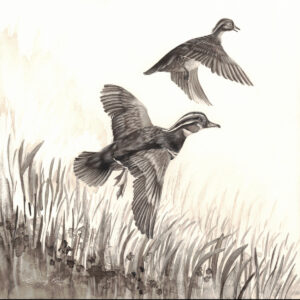
Perfect Pair
$500.00 Add to cart6″ x 6″
-
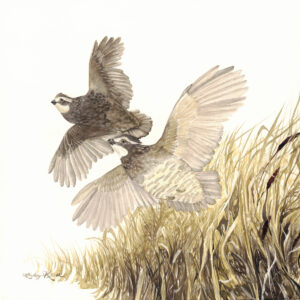
The Conservation of Wonder
$500.00 Add to cart6″ x 6″
-
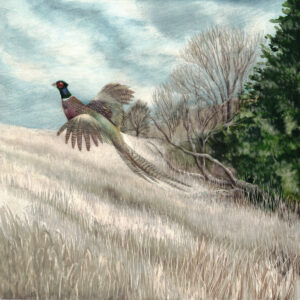
Royal Flush
$500.00 Add to cart6″ x 6″
-
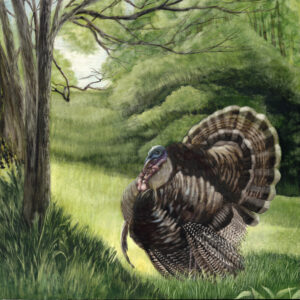
Opening Day
$500.00 Add to cart6″ x 6″
-
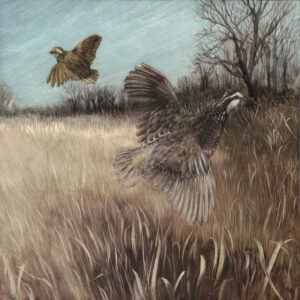
Perfect Double
$500.00 Add to cart6″ x 6″
-
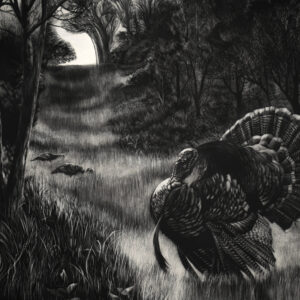
His Sunday Best
$3,200.00 Add to cart14″ x 18″
-
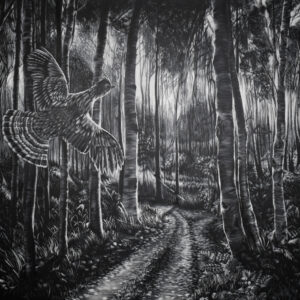
North Woods Nocturne
$2,200.00 Add to cart11″ x 14″
-
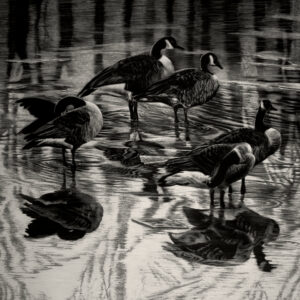
An Interval of Endurance
$3,500.00 Add to cart16″ x 20″
-
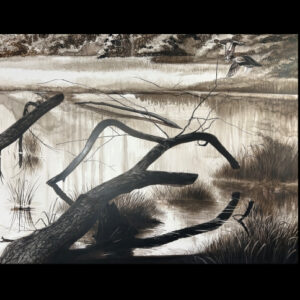
Primordial No. 2
$3,500.00 Add to cart30″ x 40″
-
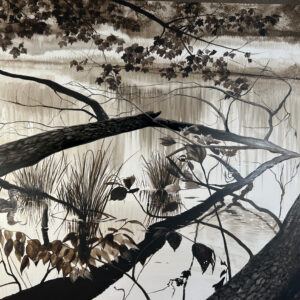
Primordial No. 1
$3,500.00 Add to cart30″ x 40″
-
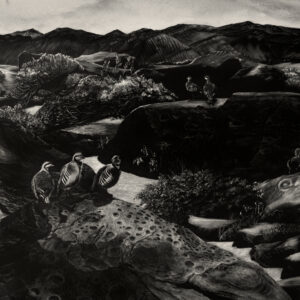
Lasting Impressions
$6,500.00 Add to cart16″ x 20″.
-
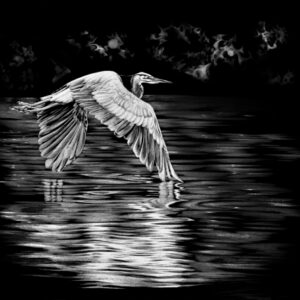
Tracing the Surface
$2,500.00 Add to cart14″ x 18″